



Way of dressing is a very important thing for all ladies. They make every necessary and possible ways of keeping them look good always.
But few women are confused about what not to dress over 60 and looking for the replacements for it. If the right attire is choosed to wear at this age then you would look the best among others. Few types of dresses would not be comfortable or good to wear and so it is necessary to know about the cloth to avoid after 60.
Below are some tips and tricks for how the 60 year old woman shouldn’t dress and changing the way of their style to look good even at this age. These tips are suggested by the experts who are well versed in styling.
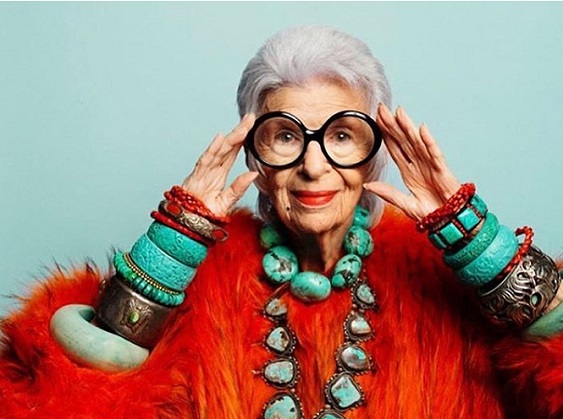
- Don’t choose old-fashioned skirts
It is very important to note that old-fashioned and classic styles of dressing are very different types. When you use longer skirts it is the way how you style them. Using brogues and flesh colored tights are in the current trend and wearing a comfy pair of boots or tennis shoes gives a fresh look for the calf length skirt. You can wear a plain or cut t-shirt with a skirt and makes sure that it is stiff inside to give a good look.
- Avoid fleeces
The important cloth to avoid after 60 is the fleeces. Everyone choose a fleecy jacket as it is comfortable to wear in winter and it is a great company for hang outs with friends for the evenings. But it’s better to avoid fleeces and instead you can choose slouchy cardigan or structured coatigan for those occasions. When you plan to wear a coat always choose neutral color that goes in hand with all styles and stitch it in a perfect way.

- Use pants with elasticated waistlines
As it is important to know what not to dress over 60 it is also important to know what you should not avoid. You can use pants with elasticated waistlines and can cover it by wearing a long line top. This gives a great comfort in wearing.
- Wear denim skirts
Few denim skirts can be clingy and uncomfortable to wear depending on how tight you are wearing it. But nowadays there are denim skirts in updated form and they are really good to wear and so you can choose them
These are the tips for how a 60 year old woman shouldn’t dress and by following these you can really good even when you grow older that give you more confidence.